Blackwood Botanical
Peperomia Caperata "Cayenne" Propagation Kit
Peperomia Caperata "Cayenne" Propagation Kit
Couldn't load pickup availability
Botanical Profile
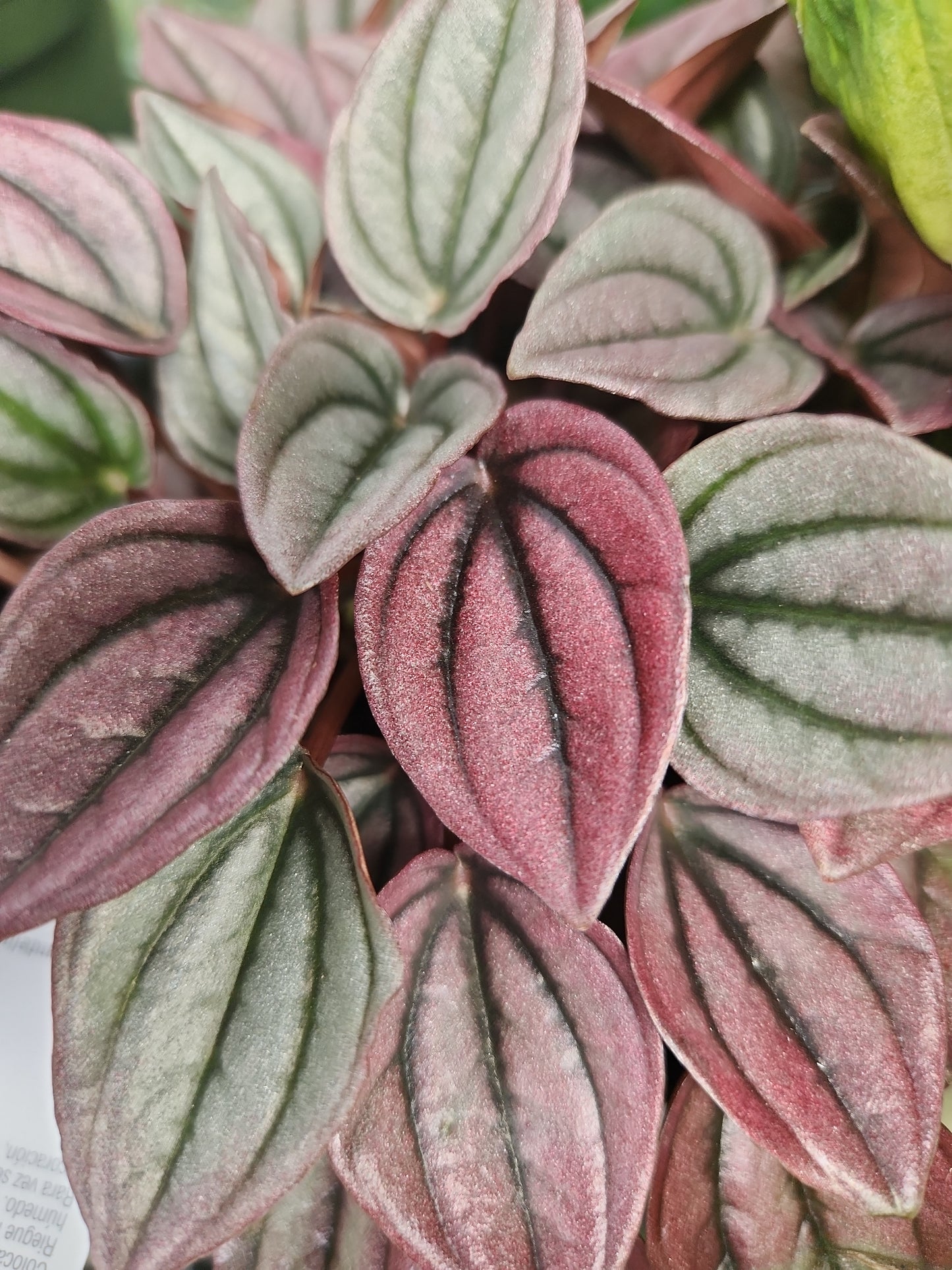
Peperomia caperata ‘Cayenne’ is a striking cultivar known for its deeply corrugated, heart-shaped leaves flushed with rich tones of burgundy, crimson, and deep green. Native to the forest floors of Brazil, this compact plant thrives in dappled light and humid, sheltered environments. Its sculptural foliage adds depth and drama to any plant collection, making it a standout choice for shelves, desktops, or curated plant displays.
Care Instructions
Light
Bright, indirect light is ideal. ‘Cayenne’ can tolerate medium light, but its vibrant coloration intensifies with good lighting. Avoid harsh direct sun, which can scorch the textured leaves.
Water
Allow the top 1–2 inches of soil to dry out between waterings. Peperomias are semi-succulent and store moisture in their leaves, so overwatering is the most common issue. Ensure the pot has proper drainage.
Humidity
Prefers moderate to high humidity (50%+), but adapts well to average indoor conditions. A humidity tray or grouping with other plants helps enhance growth.
Temperature
Keep between 65–80°F. Avoid cold drafts and sudden temperature drops.
Soil
Use a well-draining, airy mix—think peat or coco coir blended with perlite and orchid bark.
Fertilizer
Feed lightly during the growing season (spring/summer) with a balanced liquid fertilizer diluted to half strength every 4–6 weeks.
Caring for your Cutting
Create a Humid Environment
Place the cup in a warm, bright area. Optionally cover with a humidity dome or bag to maintain moisture.
Monitor Moisture
Keep the moss consistently damp but never soggy. Air out occasionally to prevent mold.
Root Development
Roots typically form within 2–4 weeks, followed by small plantlets.
Transplanting
Once roots are 1–2 inches long and new growth appears, transplant into a light, well-draining soil mix.
Share